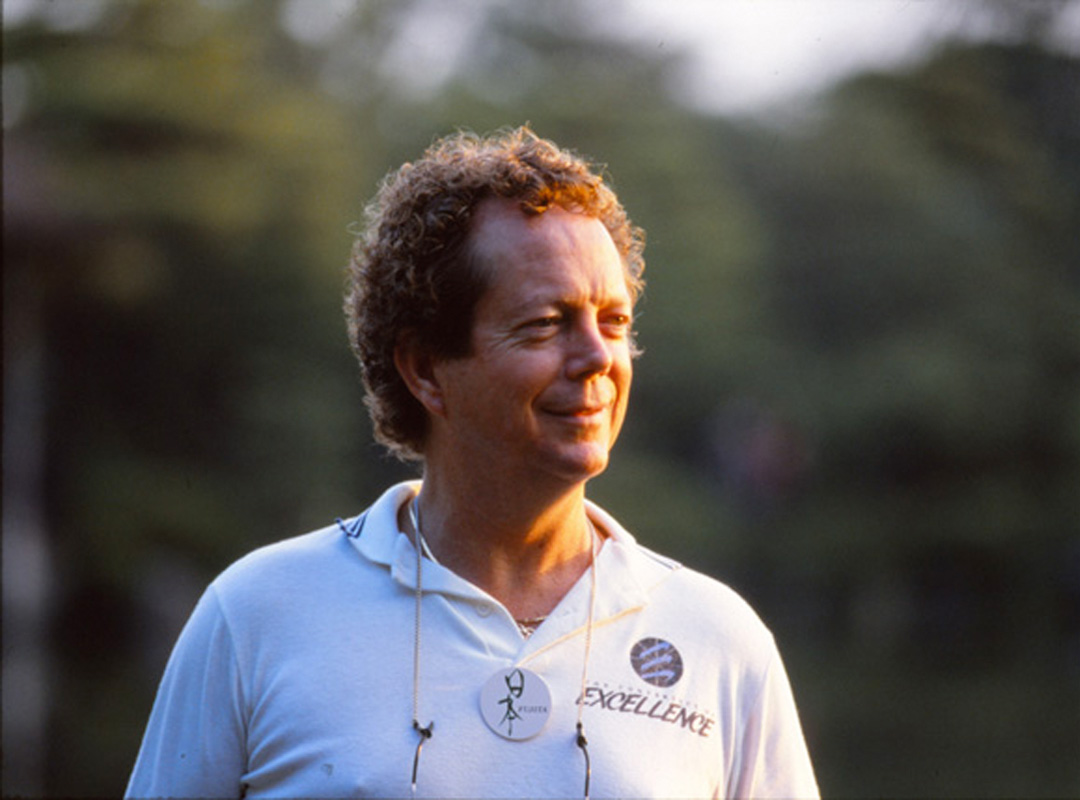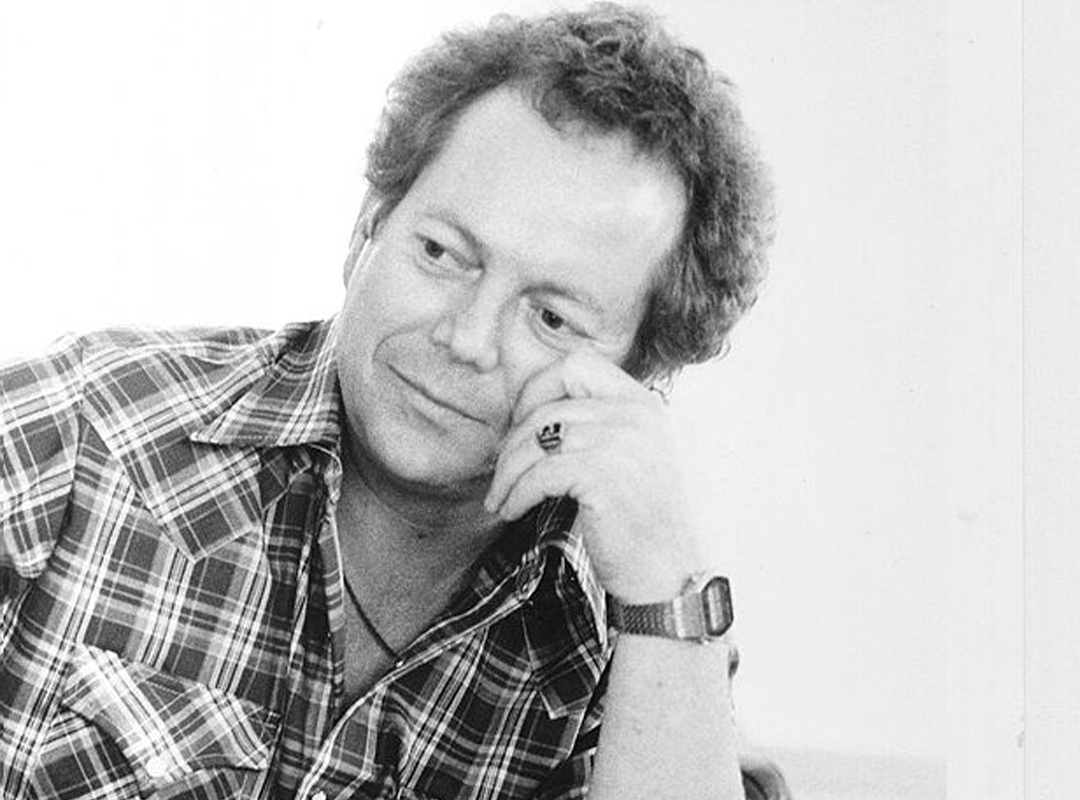



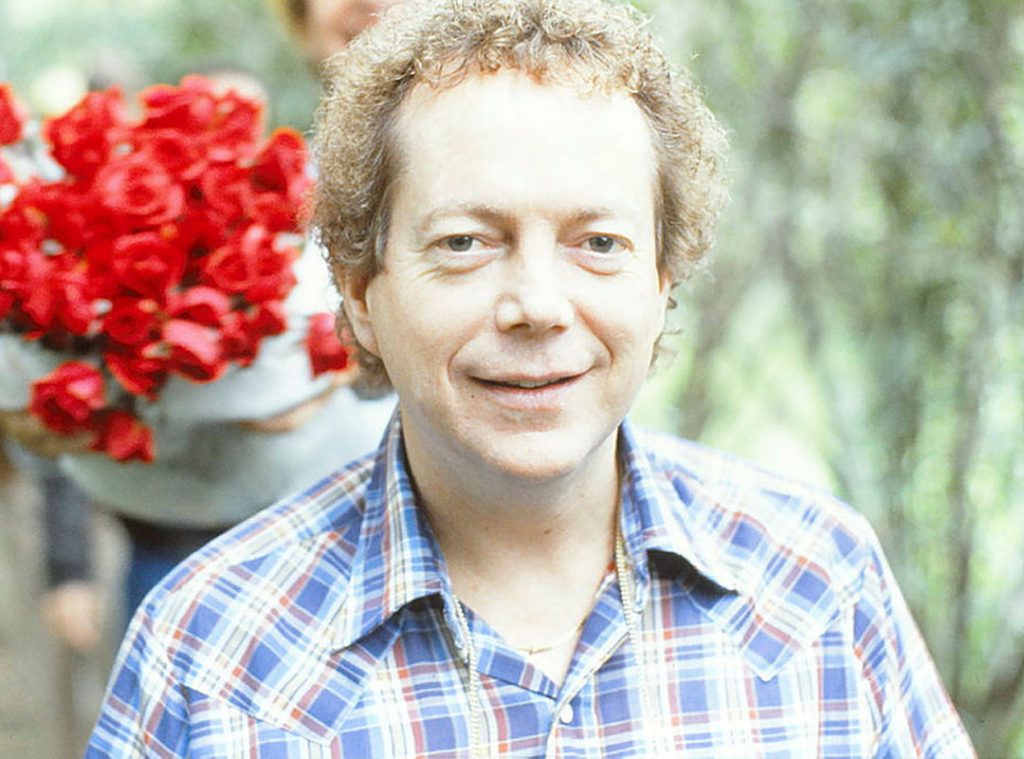
The following is a Q&A from a sharing with John-Roger in October 1994.
Question:
I’m one of those people who has a tendency to make it tough to live in grace. Like, I work at it. I let go of a lot of things over the last couple of years that were keeping me living under the law, and I’ve just been filled with grace. And yet I find myself still sort of struggling or trying too hard. How can I move into just letting grace be easy in my life?
J-R:
You have been doing that. You just told everyone that you gave up this and you gave up that and everything’s really going fine along those lines, so you’re moving in the right direction. But I think maybe you’re looking for grace to be like some temple in the sky where you sit all day.
Sharer:
Well, that would be nice.
J-R:
No, it really wouldn’t be, because you have a body that you have to walk around. The idea that grace is not hard is really nice. If it’s starting to be hard, you’re under law. So even giving up the struggle for going for grace, and just saying, “I’m not going for grace, I’m going to give that up,” might be the very thing that releases you to experience it. So, it isn’t something that you go for as much as it’s something you let become.
Sharer:
That’s what’s hard, letting it become.
J-R:
Well, you may not know it’s becoming, because of the way it’s becoming to you. You want it to come in like thunder, lightning, or a railway train so that you’ll know it’s there. You know, rumbling and all the pretense of that. It comes in very naturally, like breathing. Some people who are living in grace, and have for a long time, are moving very slowly into it. When they are in maybe their tenth or eleventh year of Discourses, they go back and re-read number one or two and realize that they are really full of something beautiful. When they read the notes that they took in the Discourses at that time of what they were going through, they find that they don’t go through those things anymore. When did that change?
It’s like in Fiddler on the Roof, when the father sings, I don’t remember growing older, when did that happen? And when did my little daughter grow up? I don’t remember seeing her grow up, and now she’s getting married. And it goes on, sunrise, sunset, sunrise, etc. So, the whole line of things just goes along in a pretty normal way. Then you come to something like this retreat, where you take yourself out of the structure of your life and come to life, and in this we come to the awareness that grace is present.
Now the challenge always is to take this structure, this grace, back into the structure of your life back home. It will not fit. That’s the law. You have to have the attitude of walking through the STRUCTURE living in the GRACE. That is where you’re focusing your awareness, your attention. You practice focusing the awareness on the internal baby, the child, the divine being that you are. In your mind you can see it as a beautiful picture.
Remember the little Gerber baby on the baby food jar? Look at all the women who are smiling, going, “Yeah, aaaaahhh.” All the guys are going, “What jar, what Gerber?” You guys, think of when you sit up at the bar and they pour a beer for you, or bring you your pint of bitters. And now the women are going, “Bitters, you mean like lemon?”
It’s the attitude inside that you have to hold. It isn’t necessarily a picture you have to hold; it’s an attitude. The attitude is formed, the attitude is practiced, the attitude is incorporated into behavior, consciously doing that and practicing until the body mechanism takes over, and it incorporates as a habit.
Then we start to walk through life not even knowing that we’re really happy until people say, “My, you look happy!” Then you may realize, “I AM happy, and I’m happy because I haven’t had any of these other things that used to bother me.” What other things? You could point them out — that, that, and that. So, you can still see them; they’re still there. But they don’t bother you because you don’t focus on them.
So, nothing leaves your life, per se. You haven’t given up your mind, your experiences. You’re not brainwashing yourself into some oblivion. You’re focusing on what is really important to you. At some point, those other things were important to you because they had to be dealt with. Choosing certain lifestyles and behaviors makes you deal with certain things. And in choosing out of that lifestyle and behavior, you no longer have to deal with what came with it. But like all human beings, we tend to look back. And when we do, we can become paralyzed by what we see.
Question:
How do I know when looking back is learning and exploring patterns, so I don’t choose those anymore?
J-R:
You change your behavior. You look back to see something and change your behavior. If you look back to see something and you don’t change your behavior, you’re just looking back.
Question:
So, once I change my behavior, then I don’t need to look back anymore? I can just go on?
J-R:
You may never have to look back at it, or you may look just once in a while to see where it is. Like looking in the rear-view mirror of a car when you are driving. You look in the rear-view mirror as a reference point for where you are on the road, how far you’ve come, and what’s behind you. It is just information at that point. You are still present, in the car, moving forward.