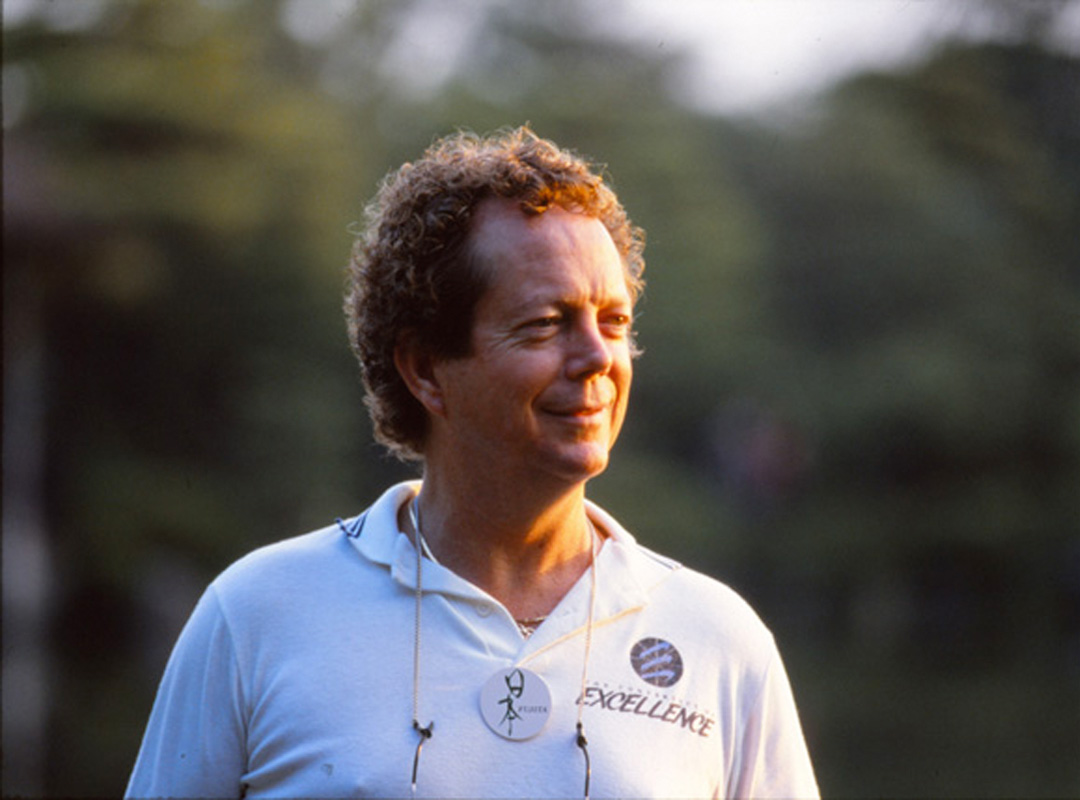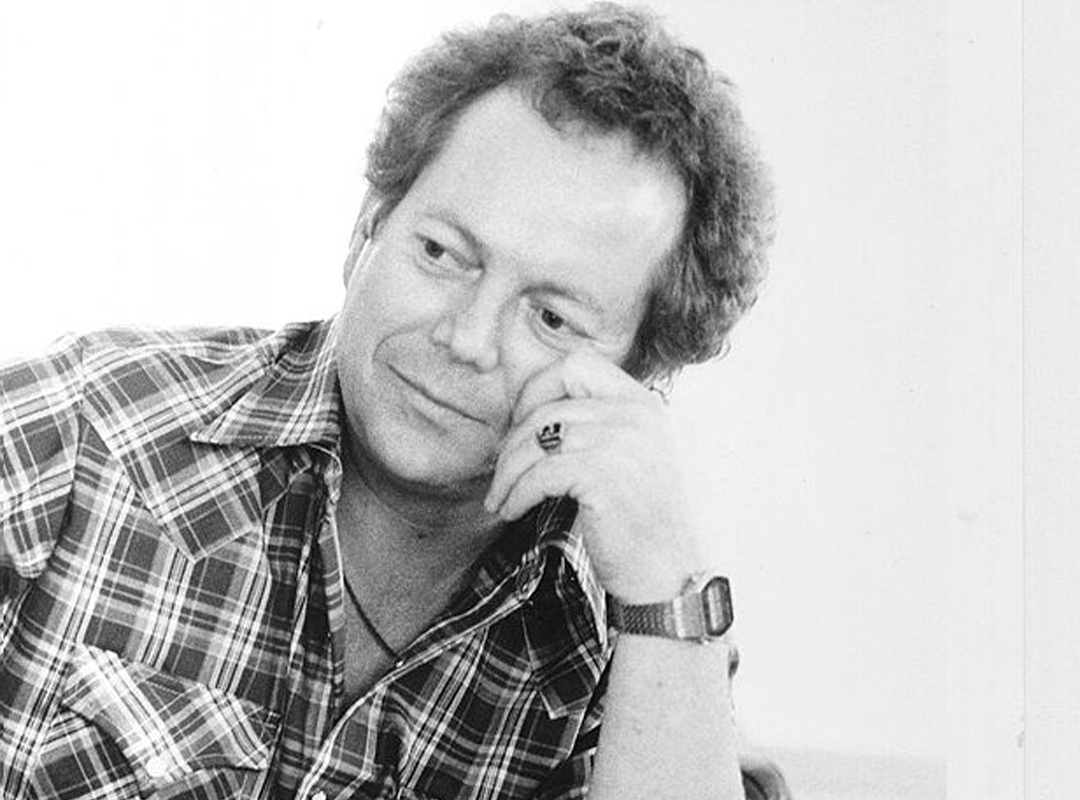



 This is from a sharing J-R did for the Doctor of Spiritual Science classes in Santa Monica.
By way of introduction, here is some information. There are three levels of consciousness in a person: the basic self, conscious self, and high self. The basic self resides physically around the area of the solar plexus or stomach. The conscious self is you—your everyday self, the self reading this. The location of the high self is usually about six to eight inches above the person’s head.
The high self contacts the basic self, and together they work to relieve entities, possessions, deviant behavior, radical behavior, fantasy behavior, phantasmagoric visions, etc. The high self and the conscious self are not in direct contact with each other. But the basic self is in direct contact with both the conscious self and the high self, so the high self can be in contact with the conscious self if it goes down to the basic self and comes up through the basic self to the conscious self.
When I (the conscious self) look away from you physically, the basic self can still look at you, so it doesn’t matter where a person looks or turns their head physically. Did you ever get the impression, like when you’re in an elevator, that somebody’s staring at you and you turn around real fast and they are? That’s the basic self telling you. Psychologically, we call it intuition.
In terms of addictions, let’s talk about the part in us that says, “I’ll have another martini.” It’s something along the akacord (the “line” of energy that goes from the area of the basic self up to the high self), and it could be an entity or what we could call “the spirits of alcoholism.” How these “spirits” function depends on the ego. A lower ego, for example, has a fear of doing and becoming. It “dies” daily. It has an awful lot of death syndromes inside, such as, “Oh, my God, I could just die,” or “Today’s just so lousy that I feel I’d rather die than do this,” or “I’m getting sick and dizzy, and I should go see the doctor and I should. . . .” This last one taken to an extreme is hypochondria. If the low-ego person drinks alcohol, the drinking slows down the nervous system; it’s also going to slow down all the information coming up through the akacord. Drinking can then become repetitive behavior: “Let’s have another martini,” or “One more for the road.” (It’s rare that you’ll hear it say, “The drinks are on me.”)
If I’m an alcoholic or have alcoholism, I have alcoholic obsessions, and an alcoholic spirit has taken over my body and receives its life energy through alcohol, through my lips, through my stomach, through the spirit. So it’s going to mess up inside of my spirit, my Soul, and my ego until I won’t know one from the other.
A person might get healed of this for some reason. In some cases, the person might step off a curb, jarring himself, and say, “Oh, my God! What was that? I shook all over. I’m having this tremendous experience, like I feel like I’m alive. I don’t need to drink anymore.” That’s an epiphany.
In Alcoholics Anonymous, they have people come in and confess all and make the statement, “I’m an alcoholic.” But how are habits formed? By repetition. So if I get up and say, “Hi, friends and you alcoholic drinkers, I am an alcoholic, and I’m glad to tell you I’m here,” and if every night for the next six months, I show up and say, “I’m an alcoholic,” what do you think I’ve done to myself? Programmed the Universal Mind and probably started some behaviors. I now have to not look at my glass of alcohol, which means that I’m totally aware of where that glass of alcohol is, and then my focus will be upon alcohol.
It might be better if I would take a bottle of good alcohol, sit it on my table, and paste a note on it that says, “I don’t drink this.” I look at it and just say, “I’m not doing that. I’m not doing that.” And then I would move away to what I am doing. But maybe what I need to do is structure myself in such a way that I redefine my program as a former alcoholic so that I say, “If I have a drink of alcohol, I’ll have just one drink of alcohol, and I will stop at one because I can do that now. My mind is strong. I don’t have the obsessions. I don’t have the possessions. I don’t have these alcoholic entities coming at me.”
If you walk into a bar, alcoholic entities will be visiting you in three seconds or less because that’s where they hang out. They also hang around liquor stores. At one liquor store I saw, the alcoholic entities were sitting outside, almost like a cartoon, smoking cigars and waiting for their next trip home with someone for a drink. People have even drawn cartoons about this, so apparently they saw it. If they saw it, whether it’s real or not, they saw it, and it will become real inside of them. If they say, “I don’t care if I saw or not; I’m not going to do that,” the person is now taking control, taking authority.
You take authority over anything by saying, “I’m not doing it.” It’s an authority statement. What you can behold, you can become. If you can behold alcoholism, for example, you can become it. But if you can’t behold it because you’ve programmed it out, you can say the word alcoholism, but you don’t see it. You don’t see the good parties, the good times, everybody drunk, yelling, screaming, swearing, dancing.
Sometimes when a person stops one addictive behavior, another addictive behavior surfaces. This is called plethoric thinking, and it tends to lean a little bit on the mental-disturbance side of life. I’ve told a story before about branding cows: You’ve got ten branding irons, so you build ten fires, and you shove one branding iron into each fire. Then the boss comes along and says, “Have you branded the cattle?”
You say, “No, I’ve only had time to keep the fires hot to keep the branding irons hot.”
The boss says, “I’ll be back,” and he does this about three or four times, and you tell him the same thing. Finally, he comes back and says, “I paid you to brand the cattle, not to keep fires burning. So put out all the fires but one, and put all the branding irons in that one fire.”
You do that, and then the time you wasted keeping fires going can be used to keep just one fire going and to get the cattle branded. That’s establishing priorities in behavior.
We need to consider what a priority is. There is what you want, and there’s the priority. If you do the priority, what you want often comes along with it, or the want drops away. So, you get your priorities straight, and then you do number 1, number 2, and so on. Writing them down can really help. I like to use those little spiral notebooks with pages I can turn over. I like these because when I finish something, I just rip it out and throw it away.
In other words, this is about staying focused. When you are focused on your priorities, what you have determined is truly in your highest self-interest, the other things can drop away, including possessions and obsessions. Your focus is like your intention: Where are you going? And that’s up to you to decide, because it’s your life.
Baruch Bashan.