




We leave the hotel at 5:30 am for a flight across Turkiye to Van, near the border with Iran. Good thing we had a truck take our big bags, because we sail through the security and the boarding process. It’s a long flight over dry mountains and I hardly see any sign of civilization looking down during this two hour flight across 800 miles. We land in a little airport at around 6000 feet elevation. Not much around except more arid mountain terrain. The air is cooler but the sun is hotter.
We stop for a brunch at restaurant by Lake Van. Lots of little mystery dishes for dipping big hunks of pita bread—cheeses from cows and buffalo, honey, figs, walnuts, red peppers, plus omelettes, cucumbers, tomatoes, to name just a few things on the table. The guides identify them all but it’s hard to keep track. We’re joined by Samaneh’s mother, who came by car to visit us from Iran. She’s greeted by the group like a visiting queen.
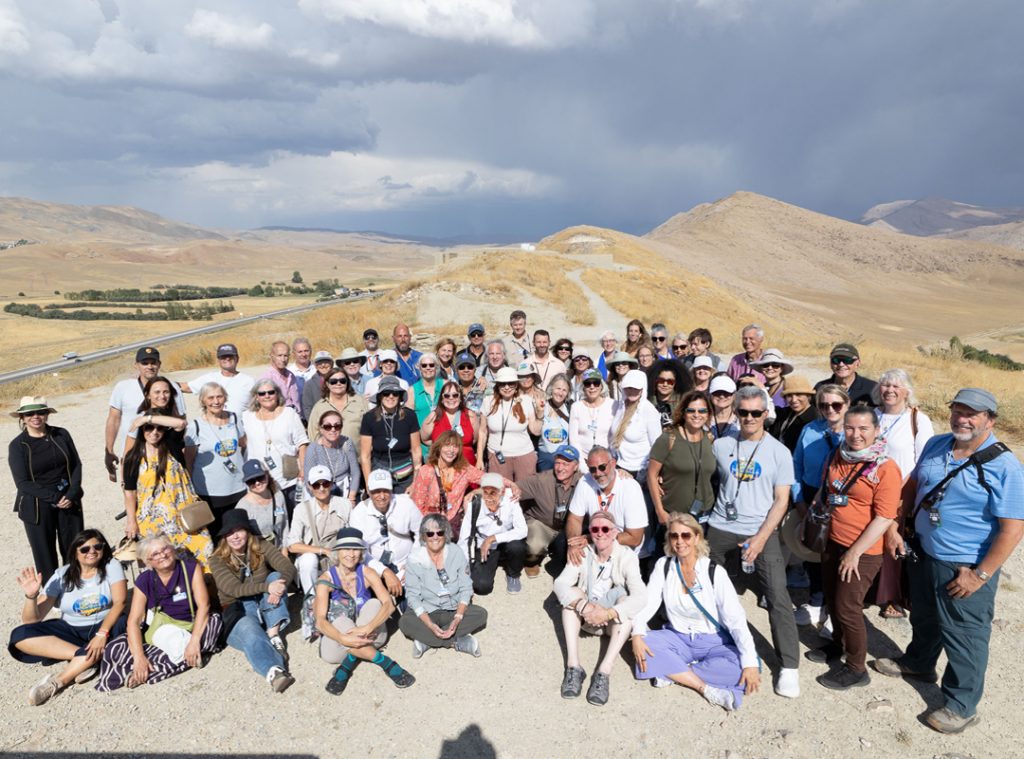
Our buses take us out into the middle of nowhere, where a little 86-year-old man, Mehmet Kuşman, leads us up a hill to the site of an ancient Urartian settlement. The Urartians conquered the area in the 9th century B.C. Mehmet is one of the few people on the planet who can read and write the Urartian cuneiform language, and the only one who can speak it. What’s remarkable is that he’s not an academically trained archaeologist. He started out as a guard at the site, sleeping outside in the ruins, and had dreams out there that sparked his understanding of the language. He’s now traveled to several countries, including the USA, to lecture on Urartian language and civilization.
Mehmet guides us through the windswept site, translating cuneiform inscriptions and tracing the language in the sand while he speaks it. He shows us photos of his 10 children and 55 grandchildren. It’s a love fest.
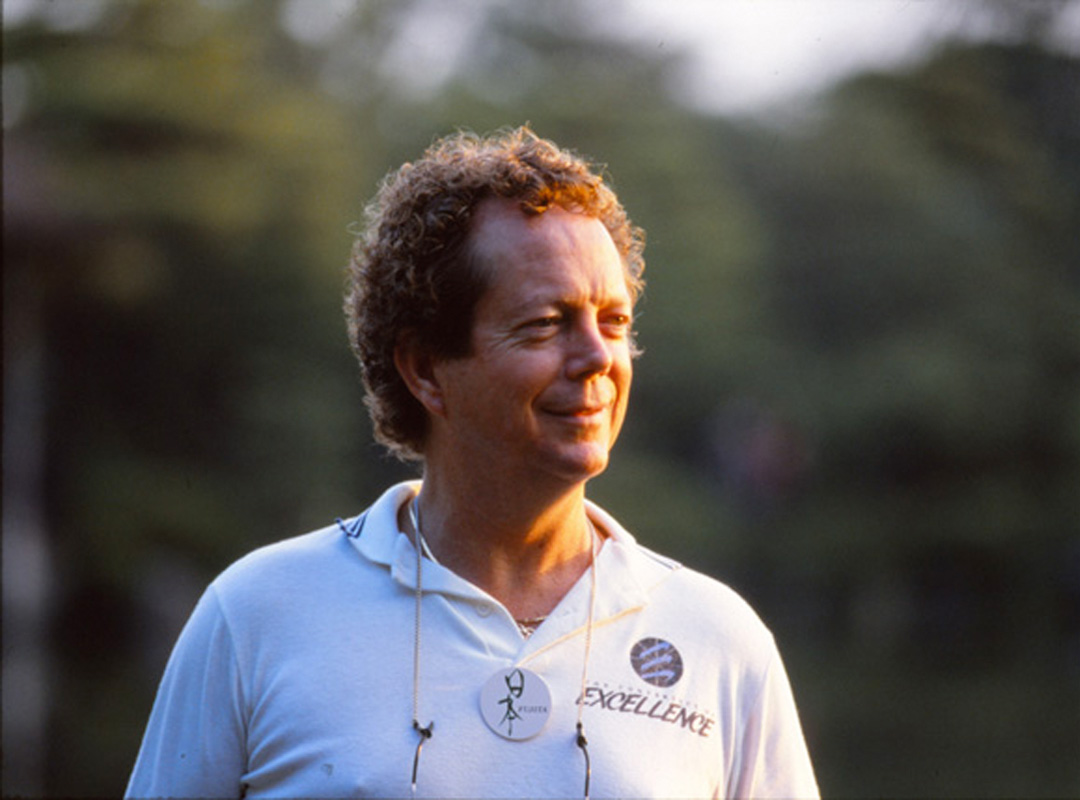
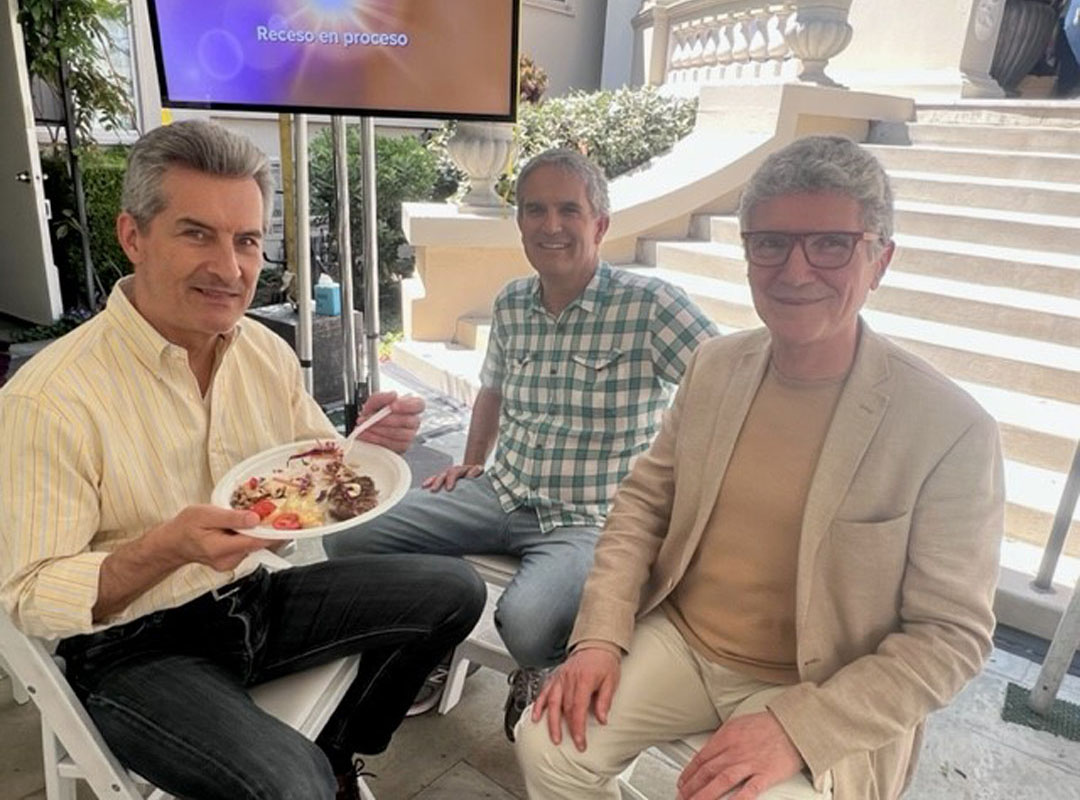
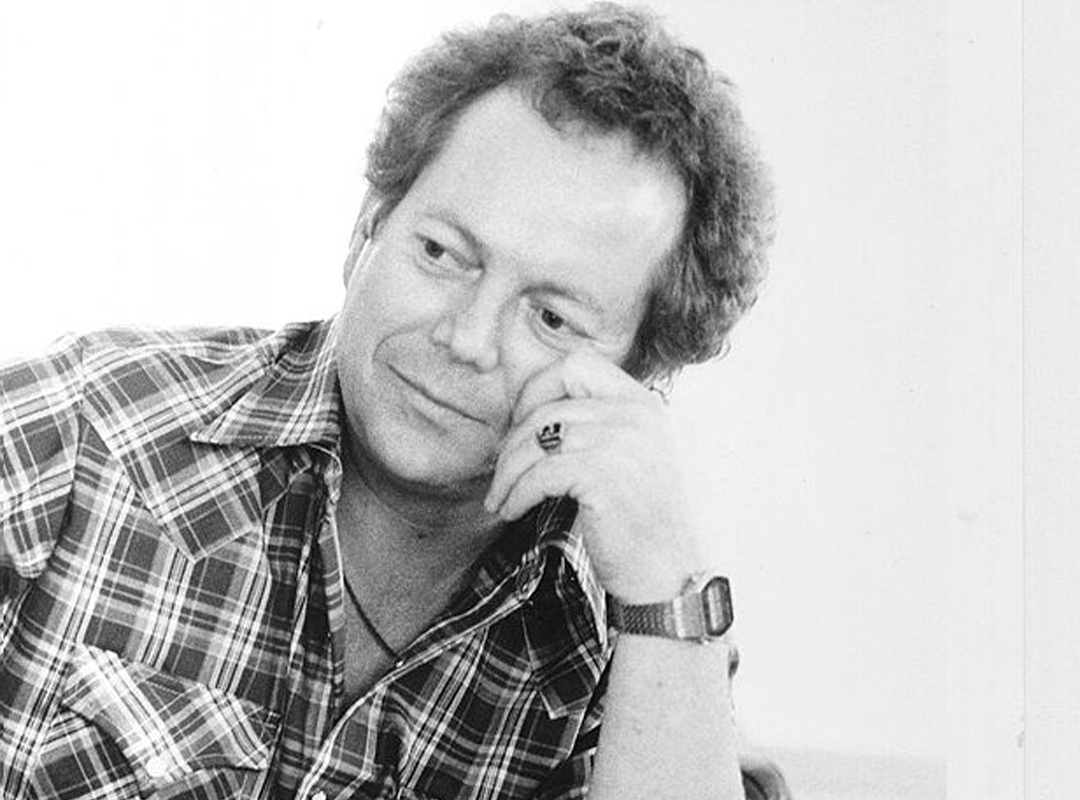
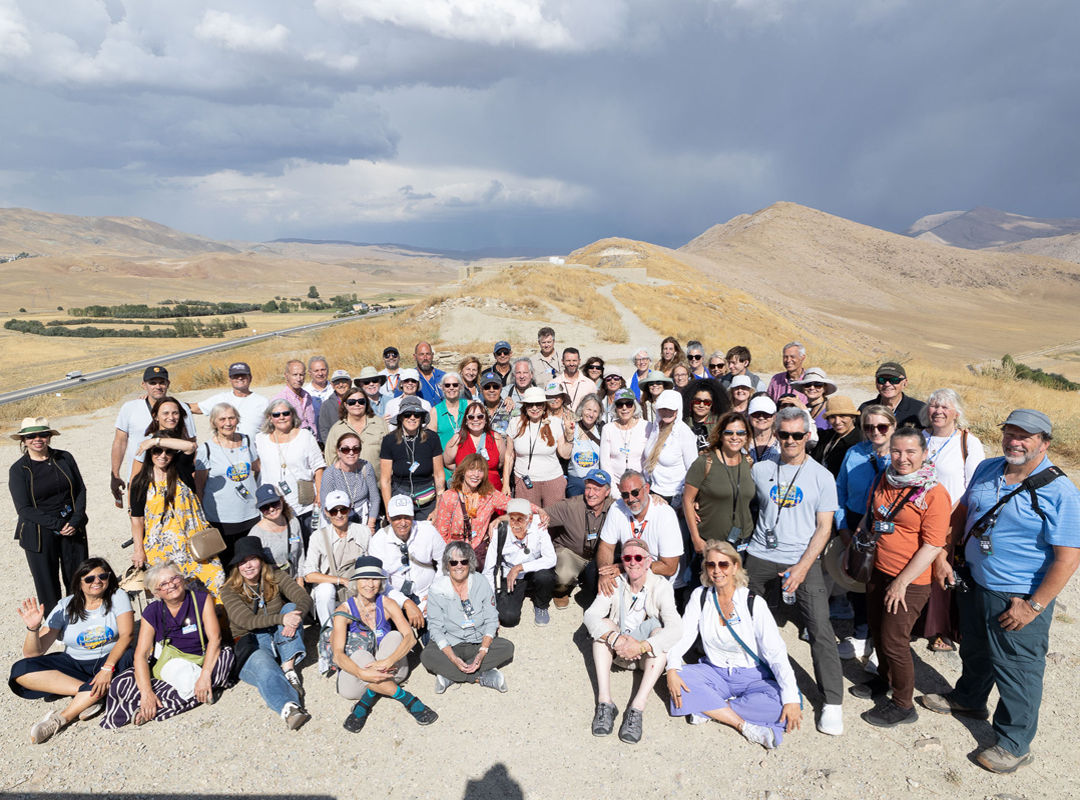
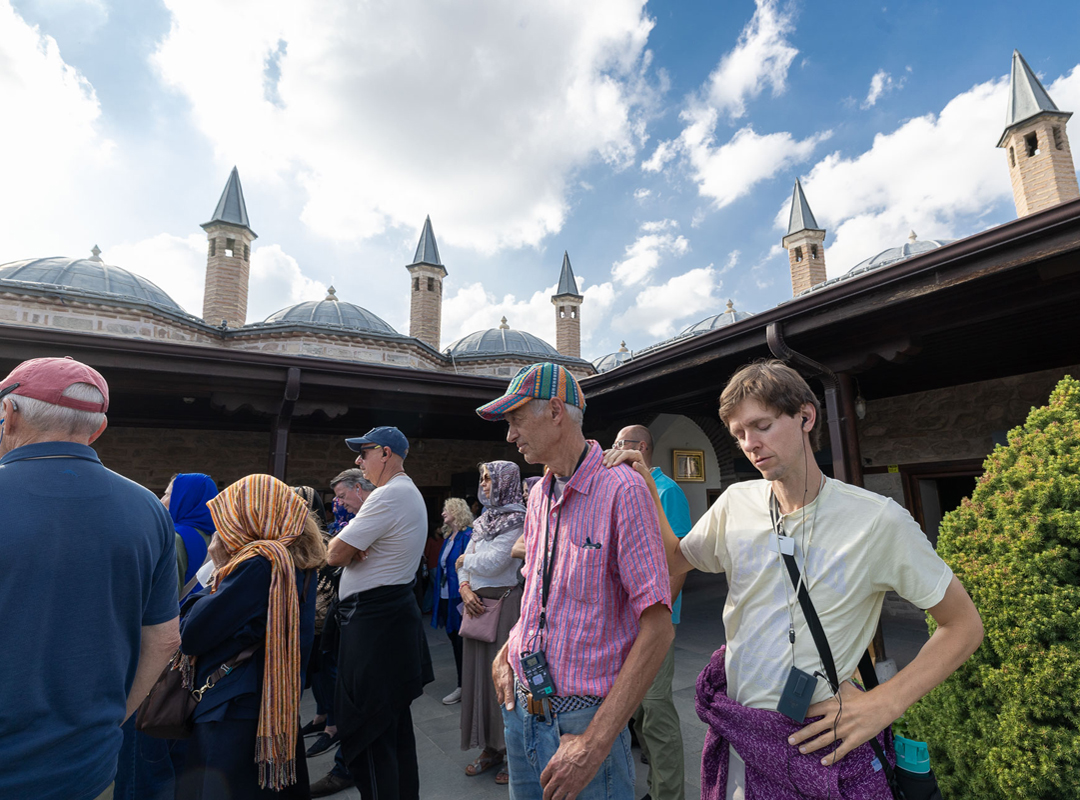
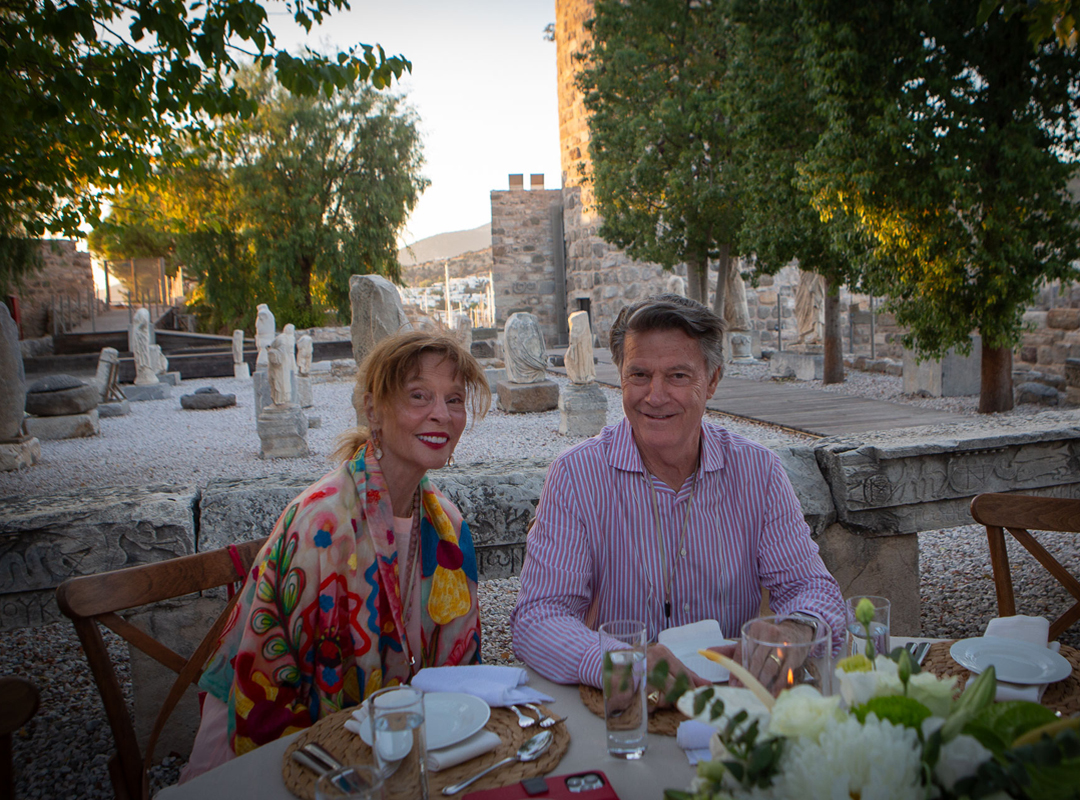
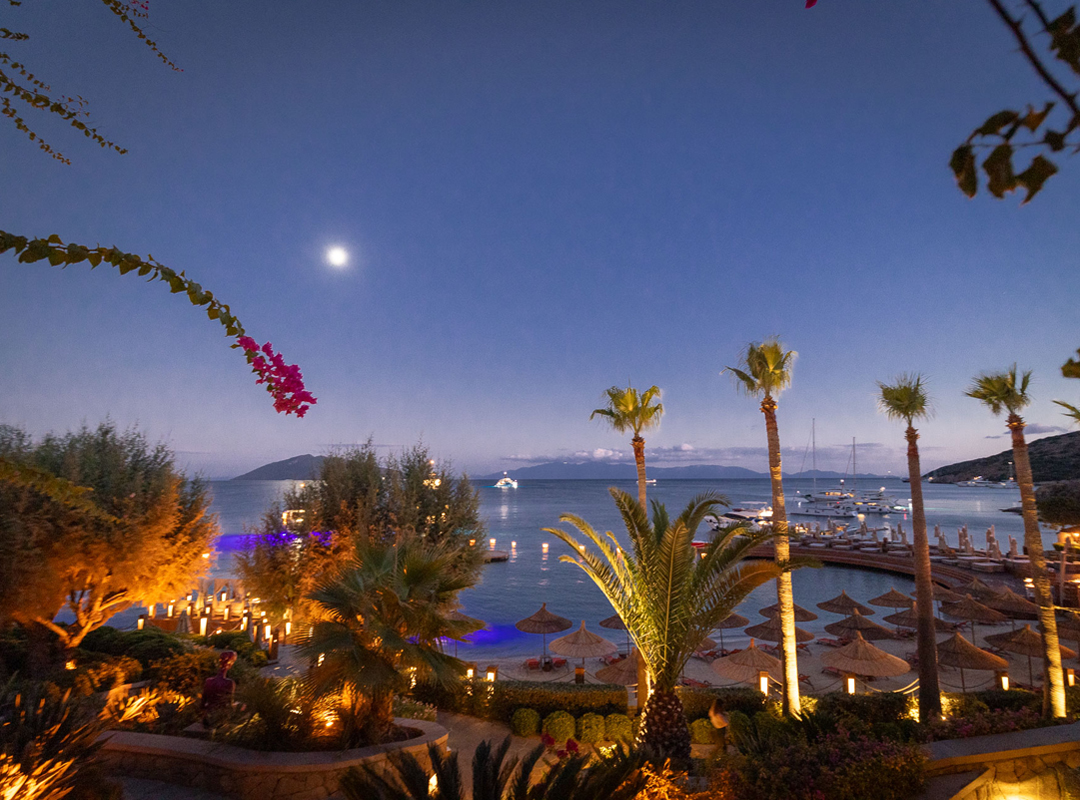
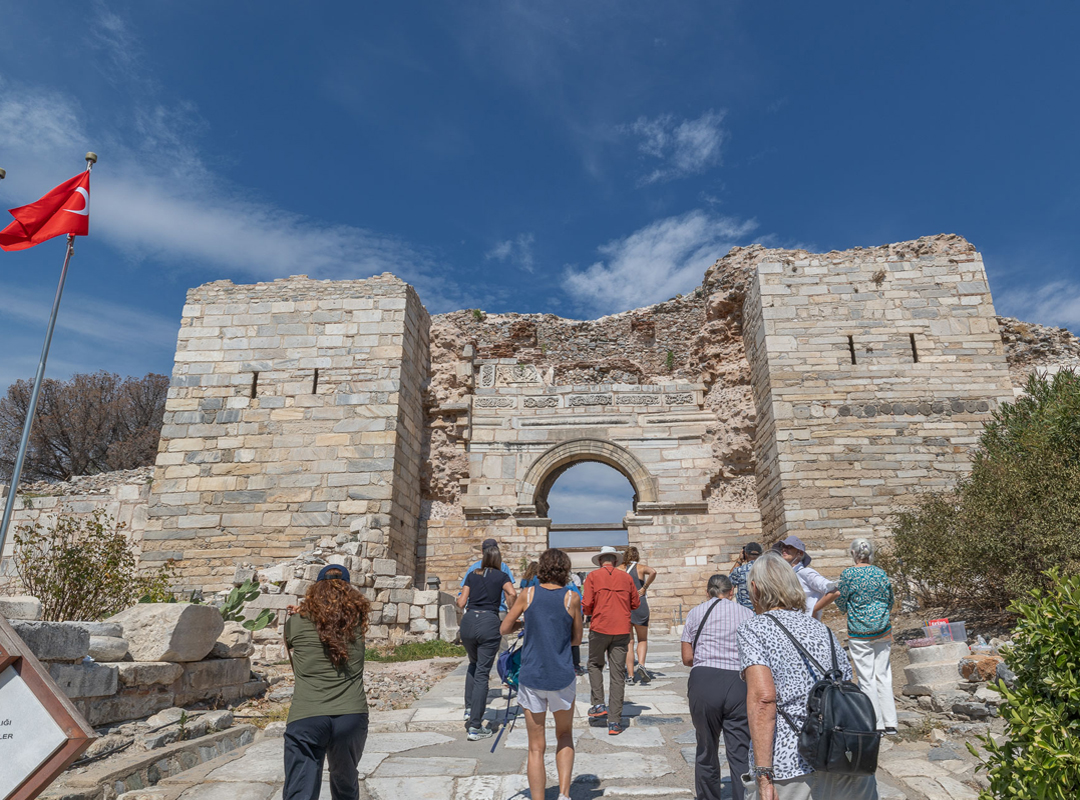
Wonderful photos.
David — Thanks for these photos. I am following the trip! Mary Alice in Juneau Alaska